Cash flow is rarely lost in one dramatic moment. It leaks. A restocking cost recorded late. An overhead charge missed in the monthly tally. A supplier payment that sits untracked until reconciliation. For retail businesses, the difference between healthy cash flow and a persistent shortfall is often not revenue at all. It is visibility. We built Easy Retail Flow’s expense tracking and reporting tools for exactly this reason: so that retailers always know where the money is, and where it is going.
Cash Flow Is a Timing Problem as Much as a Money Problem
Many retailers assume cash flow issues mean the business isn’t profitable enough. Often, the real problem is timing.
Money flows in from sales. It flows out through supplier payments, operational costs, staff wages, and restocking. When those outflows aren’t tracked consistently, they become impossible to anticipate. A month that looks strong on sales can still end with a shortfall if the expense side was never properly captured.
Understanding cash flow starts with knowing, in real time, what has been spent, what is recurring, and what sits outside the normal pattern. That picture only exists when expense tracking is systematic rather than retrospective.
Why Expense Categories Are a Cash Flow Tool
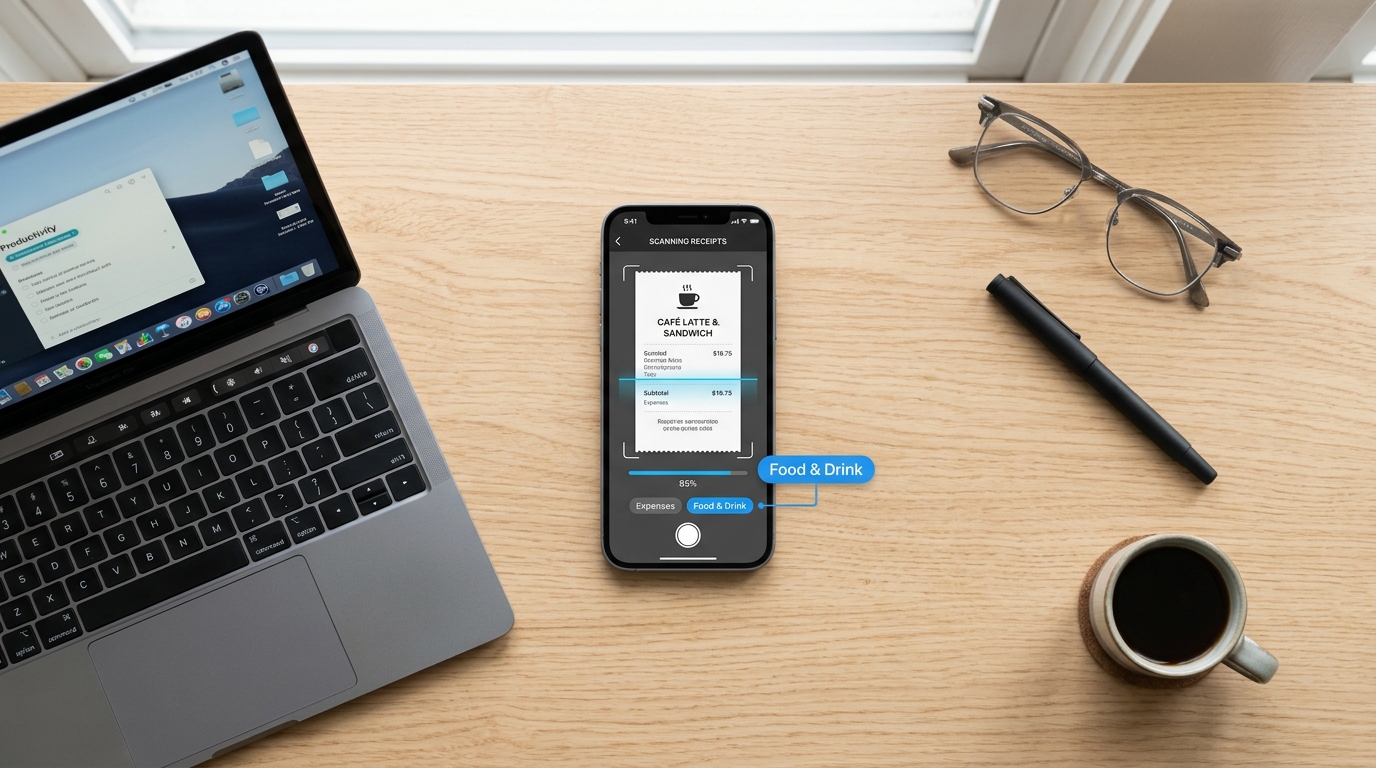
Flat expense records tell you what was spent. Categorized records tell you why, when, and whether it was expected.
When expenses are grouped by type and tracked over time, patterns emerge that a single-column ledger would never surface. A category that climbs steadily month on month is a warning. A cost that appears only once but recurs under different labels is a control gap. A category that remains flat while the business grows may indicate an efficiency gain worth understanding.
- Separate recurring costs from one-time expenditures from the point of entry
- Monitor expense totals daily, weekly, and monthly within each category
- Identify spending patterns across periods to distinguish seasonal variation from genuine cost growth
- Analyze profitability by product or store when expense data is organized at that level
Managing invoicing and expenses as one connected system means category-level cost data is available alongside sales and payment records, making the comparison between income and outgoings straightforward rather than assembled manually.
The Inventory Connection Most Retailers Miss
Stock is one of the largest cash outflows in retail, yet it often sits outside the expense tracking conversation entirely.
Restocking decisions made without current cost visibility can easily outpace incoming revenue, particularly for businesses managing multiple product lines or several outlets. When stock levels are tracked in real time and low-stock alerts are in place, restocking becomes a planned cost rather than a reactive one. That shift alone reduces the frequency of unexpected cash pressure.
The same principle applies to stock adjustments. When changes to inventory require an approval workflow and are logged with accountability, unauthorized or unplanned stock movement stops becoming an invisible cost. What leaves the shelves is accounted for, and what it costs to put it there is traceable.
Spending Patterns Are Only Visible Over Time
A single month of expense data is a snapshot. Three to six months is a pattern. A year is a planning tool.
Retailers who track expenses consistently, using the same categories applied the same way every period, build a financial record that becomes more useful over time. Budgeting for the next quarter becomes grounded in actual historical costs rather than rough estimates. Supplier negotiations can draw on real spend data. Decisions about scaling, opening a new outlet, or adding product lines can be made with a clearer picture of what the business currently absorbs.
How invoices are structured and tracked sits at the heart of whether that financial picture stays accurate or develops gaps, because billing records and expense records need to tell the same story for the cash flow analysis to hold.
Costs You Can See Are Costs You Can Manage
The retailers with the clearest cash flow visibility are not necessarily those with the highest margins. They are the ones who know, at any point, what has been spent, what is outstanding, and what is coming.
Expense records integrated with sales history and payment data give that view without requiring manual assembly across separate tools. Simplifying the full invoicing and expense management picture into one place] is what makes that visibility a daily working reality rather than a monthly exercise in reconstruction.
Our platform brings expense tracking, sales reports, payment histories, and financial analytics into a single dashboard, whether you run one store or several. The numbers are there when you need them. They are organized the way your business actually operates. And they are accurate enough to act on.
Easy Retail Flow’s Expense Management and Sales Reports and Analytics features give retailers real-time cost visibility, customizable expense categories, and integrated financial data across one or multiple store locations.