Running a retail store today is about more than just keeping the shelves stocked and ringing up sales. Every decision, from staffing and inventory to promotions and customer engagement, affects the daily rhythm of your business. At Easy Retail Flow, we’ve built our expertise on helping retailers simplify these challenges, using technology and smart practices to turn complex operations into smooth, efficient workflows. This guide walks you through practical approaches to selecting the right POS system, managing daily operations, and creating a foundation that supports growth—without getting lost in unnecessary complications.
Choosing the Right POS for Your Retail Workflow
Selecting the ideal POS system is more than just picking the flashiest interface. Your choice should align with how your store operates, from peak hours to seasonal fluctuations. Retailers often underestimate how much a well-integrated POS can simplify complex processes, making tasks like inventory tracking, employee scheduling, and customer management flow almost effortlessly.
Start by mapping your daily operations. Which tasks consume the most time? Where do errors frequently occur? A POS system that mirrors your workflow can turn these bottlenecks into automated, streamlined processes. For example, modern systems allow you to categorize items, track stock levels, and even automate reorder notifications—all features that can drastically reduce human error and save hours every week.
Consider scalability. Your business today may be a single-store boutique, but expansion plans should influence your POS selection. Systems that adapt to additional devices or integrate with other tools prevent headaches down the line. There’s also value in understanding how certain features can affect decision-making, like leveraging reporting functions to see trends that help forecast sales. Sometimes overlooking basic POS capabilities early can cost you more than you think.
Another key factor is user experience. A system can be packed with features, but if it’s cumbersome, employees will resist using it correctly. Look for intuitive layouts, quick transaction flows, and minimal training requirements.
Finally, weigh the total cost of ownership. Hardware, software subscriptions, and potential add-ons can add up. Investing wisely upfront avoids disruptive replacements later. Remember, the best POS doesn’t just process sales—it’s a tool that supports your retail rhythm and empowers smarter decisions.
Streamlining Daily Sales with Smart POS Practices
Imagine the morning rush in a busy retail store. Customers line up, staff scramble, and every delay feels magnified. A POS system isn’t just a cash register—it’s the nerve center that keeps daily sales moving smoothly. When used strategically, it can reduce queues, prevent mistakes, and give staff the confidence to focus on customers rather than processes.
Quick Tip: Prioritize features that automate repetitive tasks. Barcode scanning, automated discounts, and real-time stock updates ensure staff spend more time assisting shoppers than correcting errors. Even small efficiencies compound over time, making a tangible difference in your daily operations.
Scenario: Picture two stores. Store A manually logs transactions and checks inventory by hand. Store B leverages their POS to track sales, alert them to low stock, and integrate loyalty rewards seamlessly. By mid-week, Store B already has actionable insights to reorder popular items and schedule staff for peak hours. The difference isn’t just convenience—it’s profitability.
A common pitfall is underutilizing reporting features. Even if you don’t consider yourself a “data person,” reviewing daily or weekly summaries can reveal hidden trends. Subtle oversights in sales tracking early on can snowball into bigger inventory or staffing issues later.
Another layer is mobile or multi-device access. When managers and staff can log sales, check stock, or adjust pricing from tablets or phones, bottlenecks dissolve before they escalate. Pairing efficiency with accessibility creates a smoother customer experience, which often translates into repeat business.
Sales aren’t just transactions—they’re interactions. A well-structured POS strategy keeps these interactions seamless, letting you focus on service, upselling, and building loyalty. Streamlining isn’t about cutting corners—it’s about creating a rhythm where your team and your technology work together.
Tracking Inventory Without the Headaches
Inventory can feel like a puzzle that never ends. Shelves look full, but sales data tells a different story. Missing items, overstock, and misplaced products silently drain profits. The right approach doesn’t rely on luck—it relies on smart tracking.
Consider Maria, a boutique owner. She used to spend hours counting stock at the end of every day, only to discover discrepancies the next morning. Mistakes were common, and reorders were often rushed. Once she implemented an organized system, inventory tracking became proactive instead of reactive. Automatic alerts for low stock and easy categorization of products eliminated her daily panic.
Key Insight: Not all POS systems are equal. Features like real-time updates, automated reporting, and predictive analytics help you maintain the right stock levels without micromanaging every item. Even small adjustments, like setting thresholds for popular products, prevent last-minute emergencies.
Mini Tip: Regular audits combined with technology create a fail-safe. Compare physical counts with POS data weekly to catch errors before they compound. Over time, this practice builds confidence in your system and reduces reliance on guesswork.
Many retailers overlook the ripple effects of inventory mistakes in their first year. A missed order can frustrate loyal customers, while excess stock ties up capital. By treating inventory as a living part of your business—constantly monitored, analyzed, and adjusted—you turn a headache into a competitive advantage.
Ultimately, inventory tracking isn’t just about numbers—it’s about flow. When stock levels align with demand, sales run smoother, staff stress decreases, and customer satisfaction rises. Smart tracking lets you anticipate, plan, and focus on growth rather than firefighting daily problems.
Simplifying Employee Management Through Your POS
Managing staff can be one of the trickiest parts of running a retail store. You’ve got schedules, shift swaps, attendance tracking, and performance monitoring. Imagine trying to do all of that manually—chaos is almost guaranteed. A modern POS system, however, can act as an invisible manager, keeping things organized behind the scenes.
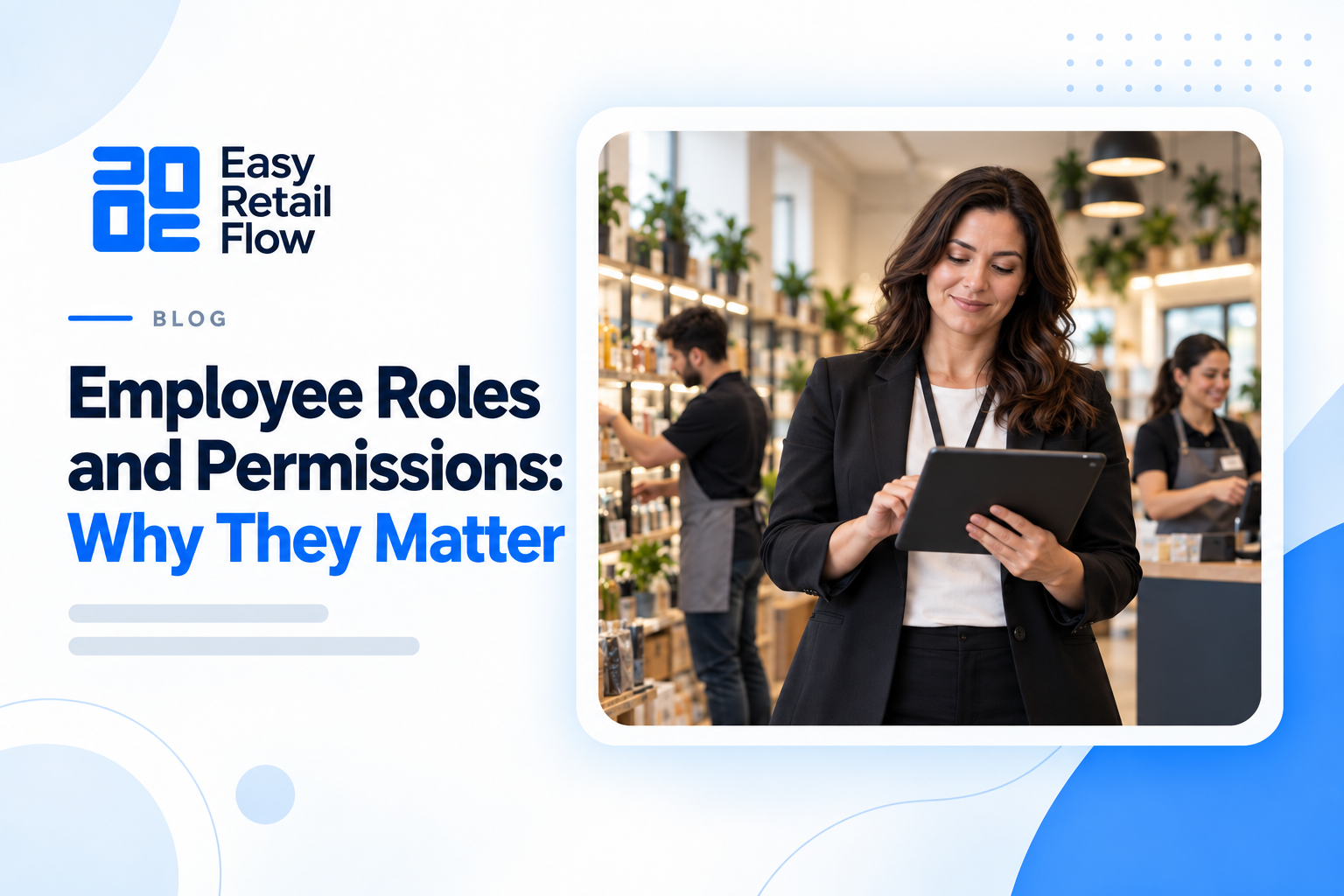
Consider this: Jamie, a store supervisor, struggles every Friday to balance shift hours. Employees call in sick, and someone always ends up working double shifts unexpectedly. With a POS that includes employee management, she can assign shifts, track hours in real-time, and even set access levels for each role. No more paper schedules or frantic phone calls.
Why it matters: When staff schedules are clear and accountability is built into the system, morale improves. Employees know exactly when they’re expected and managers have instant access to performance metrics. This also prevents errors in sales attribution, which often happens when multiple employees use a shared register without proper oversight.
A subtle insight: Overlooking employee-focused features early can make daily management far more complicated than necessary. Small functionalities like automated overtime alerts, time-off requests, or role-based permissions can save countless hours and reduce friction between staff and management.
Another angle is training. A POS with intuitive navigation reduces the learning curve for new hires, letting them handle transactions and stock updates confidently from day one. This seamless integration of workforce management into daily operations frees managers to focus on strategic decisions instead of micromanaging every interaction.
Ultimately, simplifying employee management isn’t about control—it’s about clarity, efficiency, and empowerment. A well-structured POS turns complex scheduling and performance tracking into a smooth, almost effortless part of your retail day.
Boosting Customer Engagement at Every Touchpoint
Customer engagement isn’t just about loyalty cards or email campaigns—it’s about creating meaningful interactions at every stage of the shopping journey. A POS system can provide the insights and tools to turn casual buyers into repeat customers.
Why it matters: Retailers who actively use sales data and customer history can tailor experiences, anticipate needs, and build lasting relationships.
- Personalized Promotions: A POS can track purchase patterns, letting you offer targeted discounts. Imagine a customer buying seasonal items—sending a timely offer for related products can increase conversions. Failing to leverage these insights early can lead to missed opportunities that add up over time.
- Loyalty Programs Simplified: Instead of juggling punch cards or spreadsheets, integrate loyalty points directly into your POS. Automatic tracking ensures customers are rewarded accurately, which encourages repeat visits.
- Customer Feedback Integration: Some systems allow feedback to be captured at the point of sale. This real-time insight reveals what’s working and what isn’t, giving staff actionable information instantly.
Mini Case Study: A small apparel store noticed that many first-time buyers weren’t returning. By using POS data to analyze purchase frequency and offer personalized follow-ups, repeat sales increased by 25% within two months. The POS became more than a transaction tool—it became a relationship builder.
- Cross-Channel Awareness: For stores selling online and in-person, a unified POS ensures customer history is consistent. Staff can reference past purchases, preferences, or complaints instantly, creating a seamless experience across devices.
- Engagement Without Extra Work: Automation is key. Scheduled promotions, personalized receipts, and integrated messaging reduce the manual effort, letting staff focus on providing in-person service rather than administrative tasks.
Effective customer engagement starts with understanding behavior, acting on insights, and creating moments of delight. When every interaction is informed by data, the shopping experience becomes more than a purchase—it becomes an ongoing conversation.
Daily Reporting That Actually Guides Decisions
A POS isn’t just for recording sales. It can provide a daily snapshot of what’s moving, what’s stagnant, and where attention is needed. Skipping these insights is like driving blindfolded.
Daily reports can highlight trends before they become problems. For example, noticing a sudden drop in a popular product can prompt a quick reorder or a targeted promotion. Overlooking these subtle signals early can snowball into bigger inventory headaches.
Short, frequent reviews are more effective than long, monthly audits. Spending five minutes each morning checking sales and stock reports can prevent hours of correction later.
Beyond inventory, daily reporting helps track employee performance. Which shifts are most productive? Which items require more attention from staff? These insights allow managers to allocate resources intelligently.
Visual dashboards make trends obvious at a glance. Graphs showing top-selling items, peak sales hours, or payment method preferences turn raw data into actionable intelligence.
Automation is your ally. Scheduled reports delivered to your inbox or mobile device ensure you never miss critical information, even during busy days.
When reports are used correctly, they guide decisions instead of documenting history. The goal isn’t just to know what happened—it’s to respond, adjust, and optimize daily operations for smoother, smarter retail management.
Integrating Payments, Discounts, and Returns Seamlessly
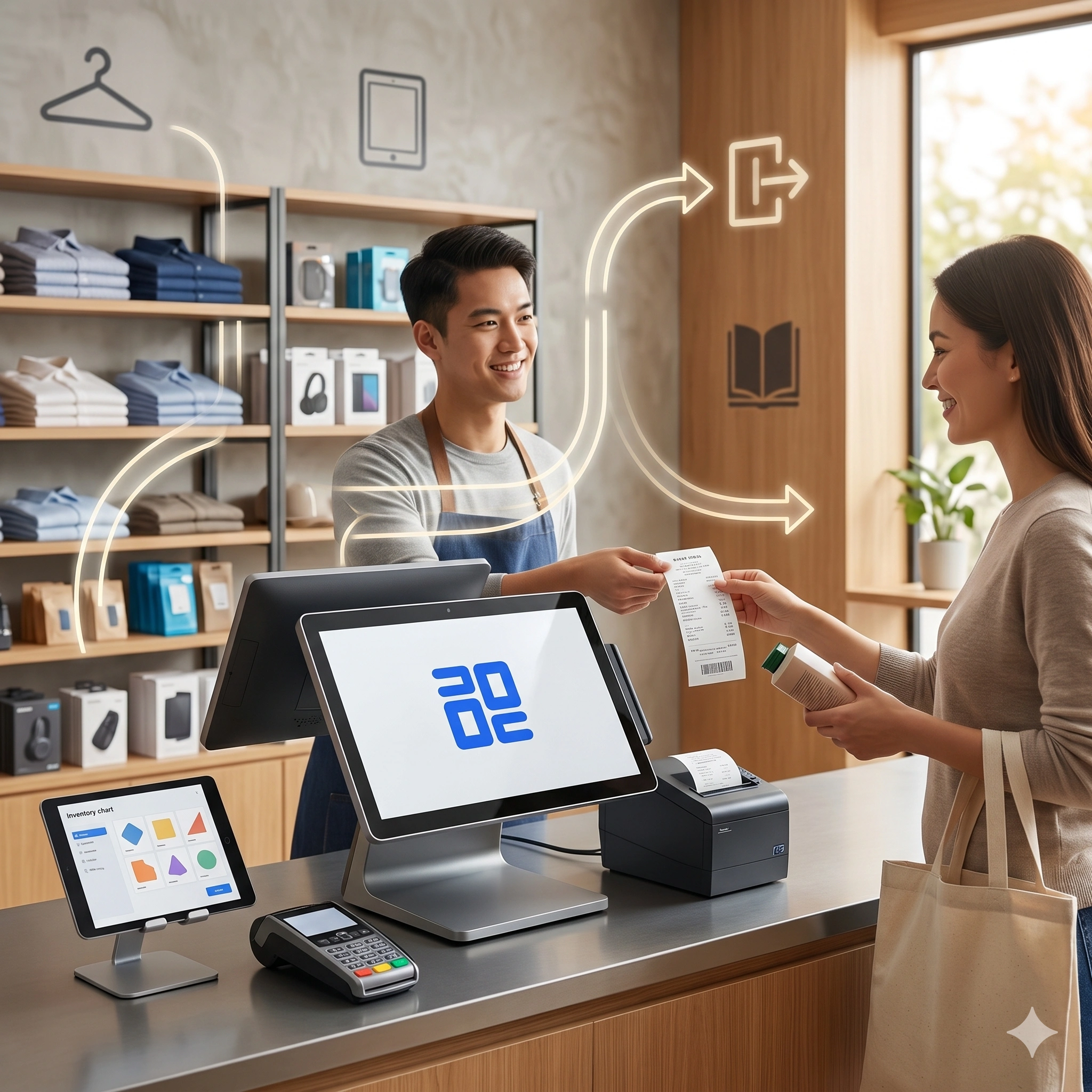
Handling payments can be more complicated than it seems. Multiple payment methods, cash handling, and split transactions can slow checkout lines. A POS that centralizes these functions ensures every transaction is smooth and accurate.
Discounts are another potential headache. Manual calculations or inconsistent promotions confuse staff and frustrate customers. Automated discount rules within a POS remove guesswork, ensuring every offer is applied correctly and consistently.
Returns often reveal hidden inefficiencies. Without proper tracking, restocking errors and refund mistakes can eat into profits. Integrating returns into the POS creates a clear record, reducing disputes and saving time for both staff and customers.
Ignoring small payment or discount errors early can ripple into bigger operational issues later. When systems handle calculations automatically, employees can focus on service rather than troubleshooting mistakes.
Consider mobile or multi-device access. Sales, discounts, and returns can be processed from multiple terminals or tablets, preventing bottlenecks during busy periods. This also allows managers to monitor transactions in real-time, spotting anomalies before they escalate.
Ultimately, integrating these core functions doesn’t just save time—it improves the customer experience, increases accuracy, and reduces stress for staff. A smooth checkout process strengthens trust and encourages repeat business, turning everyday transactions into seamless interactions.
Maintaining Data Accuracy Across Devices
How can a single error ripple across your entire store? When multiple devices handle sales, stock, and customer information, even a small discrepancy can snowball into bigger problems. Real-time syncing is essential to prevent this.
Are your inventory counts always up-to-date? A POS that updates across devices ensures that what’s shown on a tablet matches what’s in the backroom. This eliminates overselling and keeps reorder planning accurate.
Do staff have access to the right information when they need it? Role-based permissions allow employees to view or edit only what’s necessary. This reduces mistakes while maintaining accountability.
What happens when sales reports don’t match? Daily reconciliations are easier when every terminal feeds into a central system. Managers can quickly spot inconsistencies and take corrective action before issues affect operations.
Many retailers underestimate how multi-device discrepancies early on can complicate daily management. Even minor errors in one terminal can cascade into larger problems across inventory, staffing, and customer records.
How does this impact customers? Accurate data ensures that stock availability is reliable, promotions are applied correctly, and returns are processed smoothly. A seamless experience builds trust and encourages repeat visits.
Maintaining accuracy across devices isn’t just about technology—it’s about creating confidence in every transaction, empowering staff to perform efficiently, and giving management the clarity to make smart decisions.
Preventing Daily Operational Bottlenecks
What if your morning rush slows down because of a delayed inventory update? Even a minor delay in stock visibility can cause lineups, frustrated customers, and stressed staff. Real-time updates help prevent these bottlenecks before they escalate.
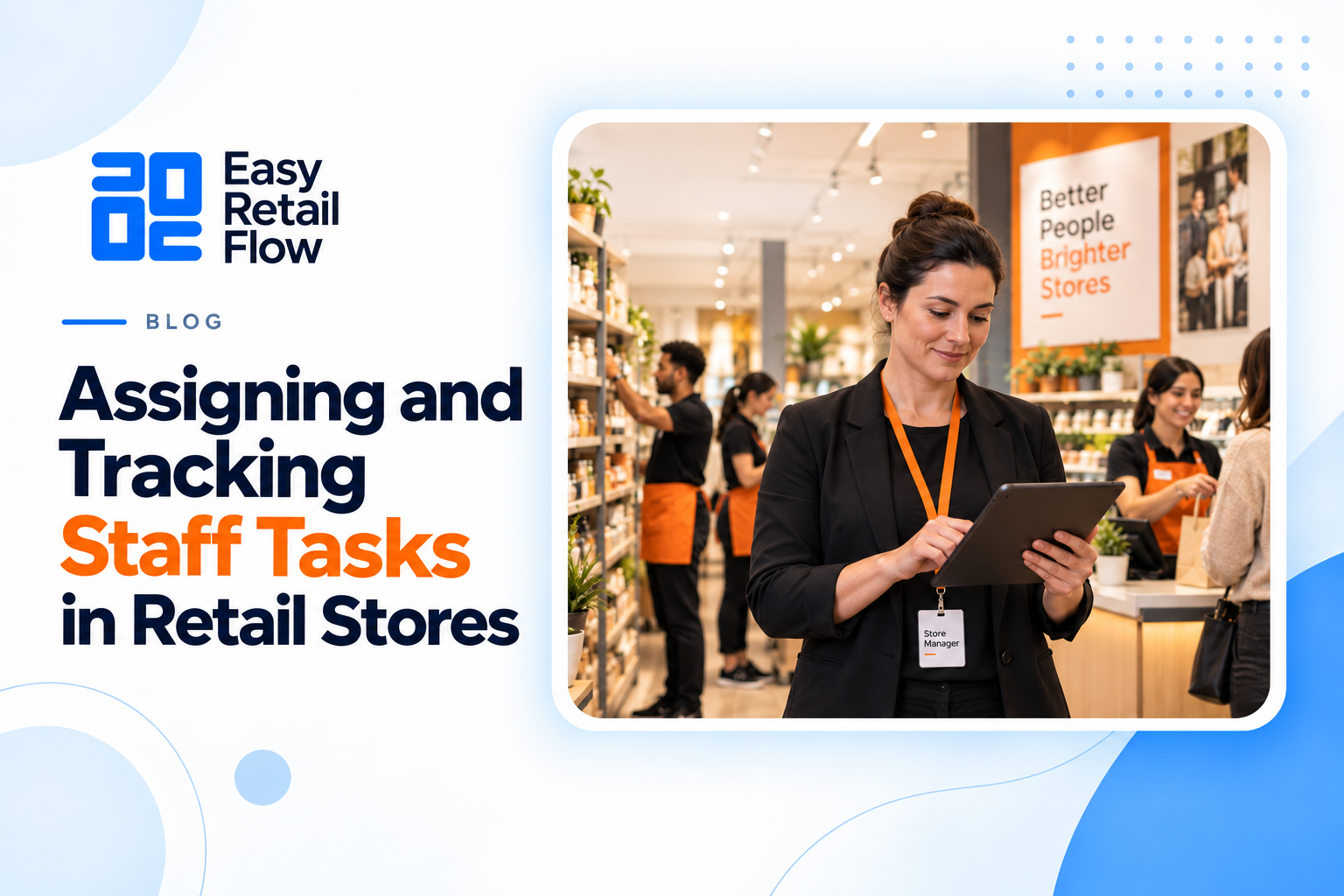
What if employee shifts overlap incorrectly or tasks are duplicated? A POS that tracks staff activity ensures responsibilities are clear and operations flow smoothly. This small adjustment can dramatically reduce chaos during peak hours.
What if returns or exchanges pile up unexpectedly? Centralized tracking allows staff to process returns efficiently without disrupting sales, keeping the floor organized and customer satisfaction high.
Ignoring early warning signs of workflow inefficiencies can make small glitches snowball into bigger operational headaches. Observing patterns through daily reporting helps managers address friction points proactively.
What if promotional offers aren’t applied correctly? Automated discount rules prevent errors, keeping checkout lines moving and reducing staff stress.
Even minor adjustments—like organizing workflows, setting reorder alerts, or enabling cross-device access—can transform daily chaos into consistent productivity. By anticipating and addressing bottlenecks, operations become smoother, staff morale improves, and customers notice the difference. .
Future-Proofing Your Retail Management Strategy
Retail is always evolving. Technology, customer expectations, and market trends shift constantly. Choosing a POS and operational strategy that can adapt keeps your business ahead of the curve.
Invest in scalable systems. Today’s single-store setup should be able to handle multiple locations, devices, and sales channels without requiring a complete overhaul. This flexibility reduces stress and saves resources in the long run.
Monitor emerging trends. Features like mobile access, cloud integration, and automated reporting are no longer optional—they are expected. Adopting these early ensures your store can compete and respond to customer needs efficiently.
Retailers who ignore scalability and adaptability in the first year often face unexpected challenges as they grow. Future-proofing isn’t just about tech—it’s about mindset.
Train your team continuously. Even the best systems underperform if staff aren’t confident using them. Short, regular training sessions keep everyone up to speed and reduce errors.
Lastly, review and refine your workflows regularly. What works today may need adjustment tomorrow. Using data insights from your POS and daily operations ensures you can pivot quickly, optimize processes, and make informed decisions.
A future-proof strategy isn’t static. It’s a combination of smart technology, proactive planning, and continuous learning, all working together to make your retail operations resilient, efficient, and ready for whatever comes next.
—-
Retail success doesn’t happen by accident—it’s the result of careful planning, smart tools, and consistent daily practices. By focusing on streamlined workflows, accurate data, and scalable solutions, retailers can prevent small issues from becoming big problems and make the most of every customer interaction. At Easy Retail Flow, we’re committed to helping businesses navigate these complexities, providing insights and tools that turn everyday challenges into opportunities for growth. With the right systems and strategies in place, your store isn’t just operating—it’s thriving.