Running one store well is hard. Running several, while keeping operations consistent, stock visible, and performance comparable across locations, is a different challenge entirely. The tools that work for a single outlet start showing their limits the moment a second location enters the picture. Fragmented data, duplicated manual work, and the inability to see the full business at a glance are not just inconveniences — they are operational costs that compound quietly over time. We built Easy Retail Flow specifically to address the complexity that comes with managing multiple stores, and these are the considerations that matter most when choosing a POS system to support that kind of growth.
Centralized Control Without Sacrificing Location Independence
The core tension in multi-store retail is between central visibility and local flexibility. Each store needs to operate independently on a day-to-day basis — its own stock, its own staff, its own transaction flow. But the owner or manager overseeing the network needs to see everything from one place.
A POS system that handles this well keeps both demands in balance. Each outlet runs its own operations without depending on other locations, while all data feeds into a single dashboard that shows the full picture. The alternative — separate systems per store that require manual aggregation — creates exactly the kind of information lag that leads to poor decisions.
Centralized control should mean one login, one dashboard, and real visibility across every branch, not a spreadsheet compiled at the end of the week.
Independent Inventory Per Store, Unified Visibility Across All
Stock management is where multi-store operations get complicated fast, and it is where the right POS architecture makes the biggest difference.
The features that matter at this level:
Separate inventory per outlet so stock levels at one location do not interfere with another
The ability to assign specific products to specific stores based on demand or product range
Centralized stock visibility so managers can see levels across all locations from a single view
Stock adjustments that require an approval workflow, preventing unauthorized or accidental changes
Low stock alerts that trigger per store rather than as a combined total that masks shortfalls at individual locations
Without this structure, multi-store retailers end up with either over-stocked locations compensating for under-stocked ones, or manual coordination between branches that consumes time and introduces errors.
Consistent Pricing and Discount Controls Across Locations
Pricing consistency is a brand and operational issue. When different stores apply discounts differently, handle taxes inconsistently, or lack the controls to apply promotions uniformly, the business presents unevenly to customers and creates reconciliation headaches in reporting.
A well-structured POS for multi-store retail applies pricing rules at the system level. Discounts can be set per product or across the entire cart, and those rules apply regardless of which outlet processes the sale. Tax configurations that match each store’s requirements can be set without overriding others.
This is not about removing flexibility. It is about making sure flexibility operates within a controlled structure rather than as ad-hoc decisions made differently at each counter.
Staff Management Across Multiple Locations
Accountability across branches is only possible when the system makes activity visible.
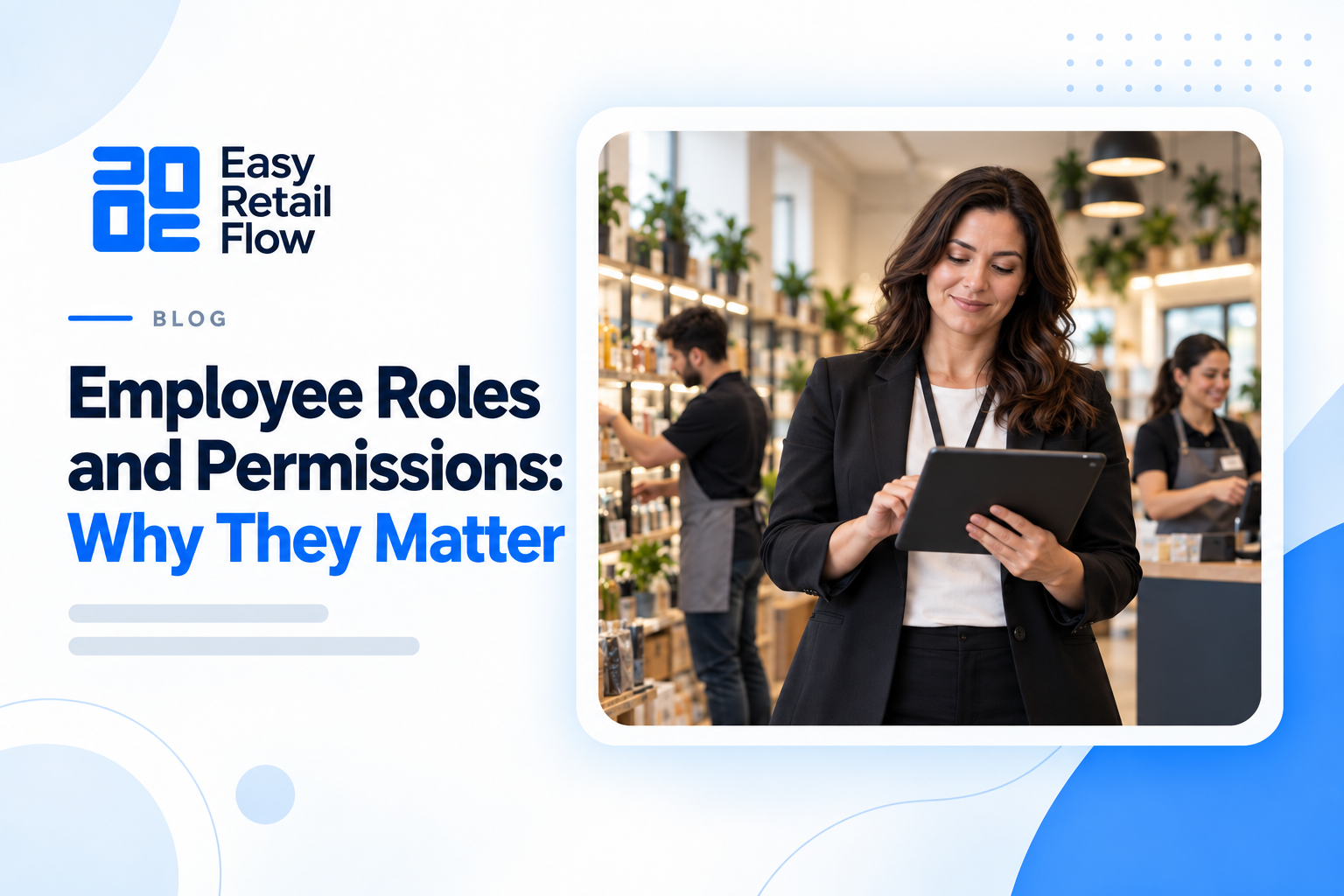
When staff across multiple outlets use the same platform, role-based access becomes a critical control layer. Not every employee should have the ability to adjust stock, apply discounts above a certain threshold, or access financial reporting. Defining access by role — cashier, store manager, regional manager, owner — keeps each user operating within their remit and creates an audit trail that is meaningful rather than theoretical.
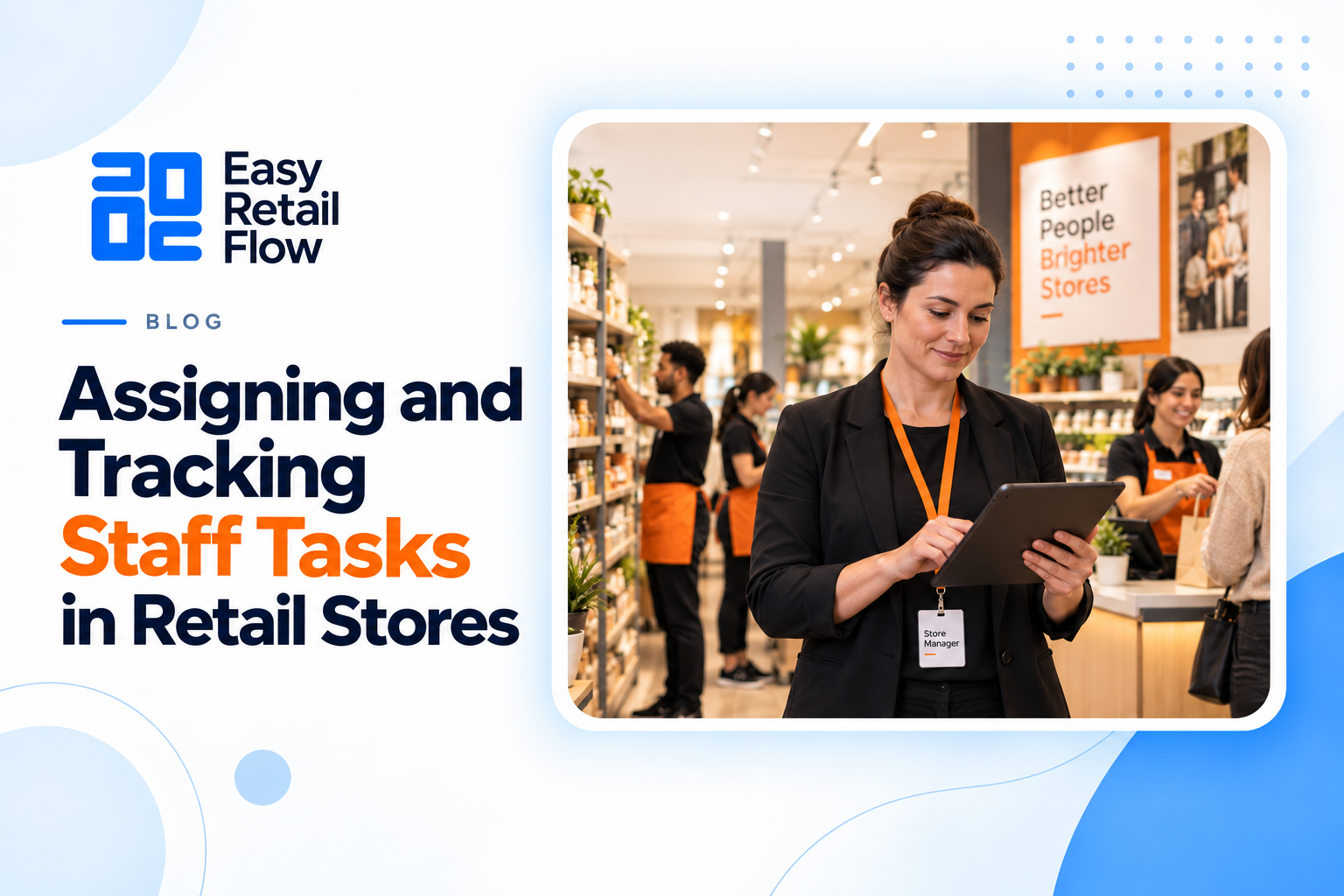
Task assignment and performance monitoring across locations helps managers stay connected to what is happening at each branch without needing to be physically present. This kind of operational visibility is what makes multi-store management scalable rather than exhausting.
Consolidated Reporting That Shows the Real Picture
Individual store reports have value. But for a retailer managing multiple locations, the most important reports are the ones that show the network as a whole while still allowing drill-down to individual outlets.
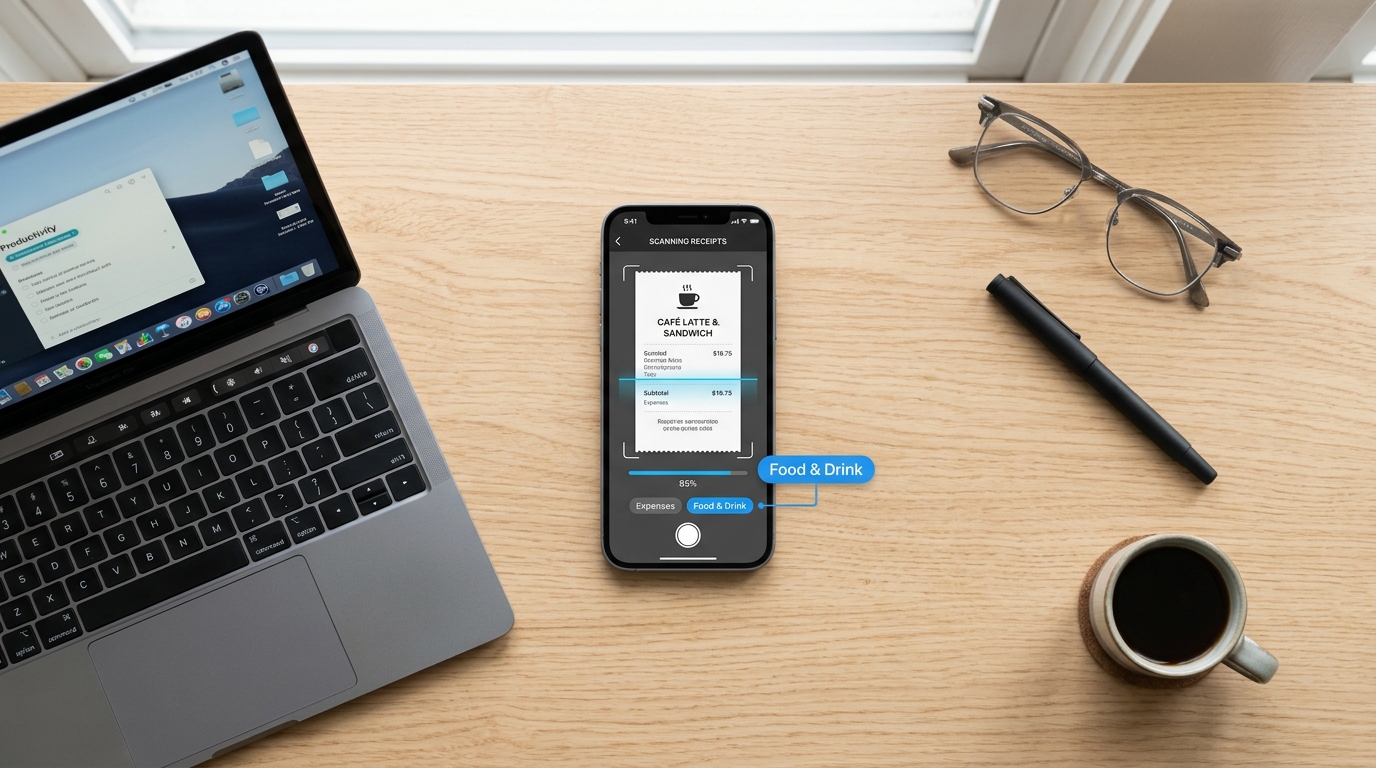
Sales trends across locations reveal which branches are performing and which need attention. Payment method breakdowns by store show customer behaviour patterns that may differ meaningfully between areas. Expense tracking alongside revenue makes profitability visible per outlet rather than just in aggregate.
Cart history and top-selling product data per store allow stock decisions to be grounded in actual demand at each location rather than averaged across the network. That level of specificity is what separates reactive stock management from planned inventory control.
Scalability From the First Additional Store Onward
The POS decision made at one store is the architecture decision for every future store. A system that requires a separate deployment per location, with its own configuration, hardware, and data environment, does not scale — it replicates complexity rather than managing it.
The right system extends cleanly. Adding a new outlet means registering it within the existing platform, not starting a parallel setup. Stock, staff, reporting, and billing all connect through the same infrastructure from day one of the new location’s operation.
For retailers who are planning growth rather than already managing a large chain, this consideration deserves weight in the initial decision. The cost of migrating systems mid-expansion is significant — in time, in data risk, and in operational disruption. Building on a platform designed for multi-store operation from the start removes that risk entirely.
One Platform That Grows With Every Door You Open
Multi-store retail is not a scaled-up version of single-store retail. It is a structurally different operational challenge that requires a system designed for it, not one adapted to it after the fact.
The considerations that determine whether a POS system works at this level are centralized visibility, independent per-store inventory, consistent pricing controls, role-based staff access, consolidated reporting, and clean scalability. A system that handles all of these from a single platform removes the coordination overhead that makes multi-store management difficult.
Easy Retail Flow brings all of those capabilities into one subscription covering POS, inventory, multi-store control, sales analytics, invoicing, expense tracking, and employee management, with no setup fees and no feature tiers. If you are managing multiple locations or planning to, request a free demo and our team will show you how the platform handles the full picture.