What a POS System Really Does for a Retail Business
Running a retail business often feels like spinning plates while balancing a ledger in one hand. From processing sales to keeping inventory up-to-date and understanding which products are actually making money, the list of tasks can feel endless. A modern POS system, such as the one we offer at Easy Retail Flow, acts as the conductor of this orchestra, keeping every component in harmony and giving store owners space to focus on what truly matters: growing their business.
Turning Transactions Into Insightful Experiences
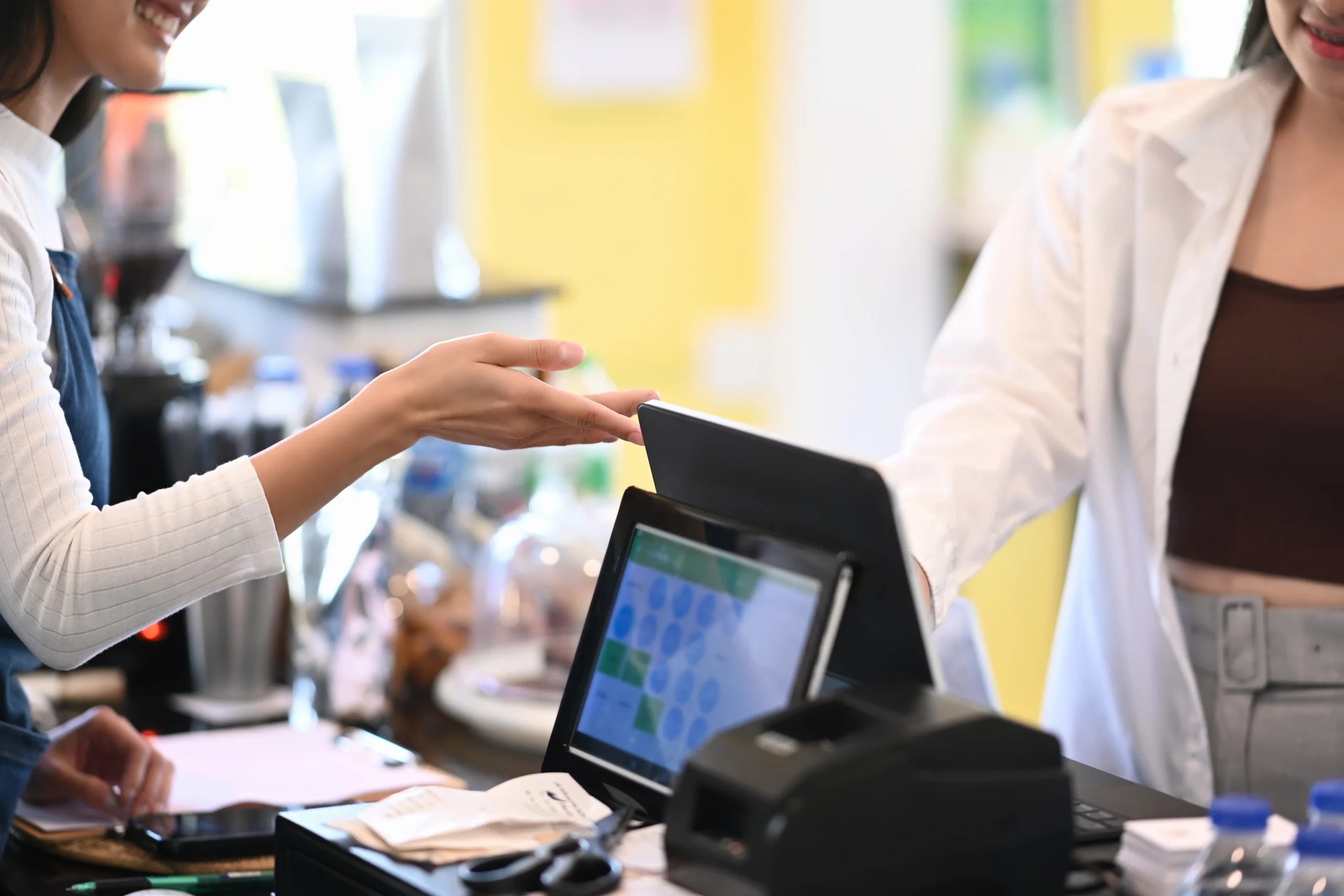
At its core, a POS system is often thought of as “just” a cash register, but its role is far more transformative. Imagine a customer purchasing a product. In the past, this might involve manual entry, handwritten receipts, and hours spent reconciling the day’s sales. A POS system automates this entire process: transactions are logged instantly, inventory adjusts in real time, and detailed receipts are generated.
Some retailers worry about losing that human touch, but the opposite is true. By reducing checkout friction, staff can engage more meaningfully with customers, suggesting complementary products or personalized deals. This creates a shopping experience that feels seamless, yet informed by data behind the scenes.
Retailers still relying on manual billing often encounter bottlenecks that subtly slow down growth, a challenge that becomes more apparent as business scales.
Inventory Management That Thinks Ahead
Stock is the lifeline of any retail operation, and poor inventory control can quietly erode profits. A POS system provides a live snapshot of inventory across your store or multiple locations.
Instead of waiting for end-of-day reports or manually counting shelves, store managers can see exactly what’s available, what’s running low, and which items are moving fastest. This means fewer lost sales due to stockouts and smarter decisions about restocking.
Consider a scenario: your store runs a promotion on a high-demand product. Without real-time tracking, you risk selling items you don’t have, frustrating customers and creating extra work. With integrated POS inventory, alerts notify you before levels dip too low, ensuring shelves remain stocked and customers leave satisfied.
Data-driven inventory systems often reveal patterns that can enhance daily management, reflecting insights similar to those highlighted in practical retail guides on POS usage.
The Multi-Store Advantage
Expansion is exciting, but it introduces complexity. Operating several locations with spreadsheets or paper records can quickly spiral into chaos. Modern POS systems centralize operations, giving owners a unified view of sales, stock, and staff performance across every branch.
- Managers can check real-time sales figures from a single dashboard, even while traveling.
- Consistent pricing and promotions can be enforced across locations without manually updating each store.
- Insights into each store’s performance help allocate resources efficiently.
The beauty of this system is that it doesn’t just save time; it provides clarity. When your data is centralized, you spend less energy on reconciliation and more on strategic decisions that actually drive growth.
Retailers who centralize store data often report quicker decision-making and smoother scaling, demonstrating how technology transforms operational control.
Reports That Speak the Language of Your Business
Numbers are only useful if they tell a story. POS systems generate detailed, easy-to-read reports that illuminate what’s happening in your business at any moment.
Instead of spending hours manually compiling sales records, managers can see which products are top performers, which staff members excel at upselling, and how seasonal trends impact revenue. Q: How can reports change my day-to-day operations? A: They help prioritize tasks. For instance, if certain items are consistently low in stock, you can adjust orders proactively. If certain times of day see a spike in sales, staff schedules can be optimized.
Businesses leveraging automated reporting tools often notice fewer errors and clearer insights, echoing the principles discussed in daily retail management studies.
Customizable Features for Every Retail Reality
No two stores operate the same way. A flexible POS system adapts to your workflow instead of forcing you to adapt to it. Easy Retail Flow offers modular features that allow you to tailor the system to your needs:
- Multiple user accounts for seamless teamwork.
- Detailed profitability reports that go beyond raw sales numbers.
- Order and supplier management to prevent stockouts.
- Integrations with payment systems and other tools for end-to-end control.
Such adaptability ensures the system grows with your business, whether it’s a single boutique or a multi-location chain. The goal isn’t just efficiency—it’s empowerment.
Preparing for a Future Without Bottlenecks
The most overlooked benefit of a POS system is the freedom it provides. By automating repetitive tasks and presenting actionable insights, store owners are no longer trapped in spreadsheets and paperwork.
Think of a busy weekend sale: transactions flow smoothly, inventory adjusts automatically, and staff can focus on customer engagement rather than manual tracking. Multi-store owners can monitor performance remotely, making informed decisions without physically visiting every location.
Retailers implementing comprehensive POS solutions report fewer operational bottlenecks, a trend highlighted in research on practical daily retail management strategies.
Ultimately, a POS system is more than a technological upgrade—it’s a partner in growth. At Easy Retail Flow, our system unites point-of-sale efficiency, inventory management, reporting, and support services into a seamless platform. By removing operational friction and providing clarity in daily retail decisions, we help businesses not just survive, but thrive in an increasingly competitive landscape.