How POS Systems Integrate with Inventory and Reporting
A point-of-sale system that only processes transactions is doing the minimum. The real operational value of a modern POS comes from what happens around each transaction — how it updates stock, how it feeds reporting, and how all of that connects into a single picture of the business. When those layers work in isolation, retailers end up managing three separate tools and manually bridging the gaps between them. When they are integrated into one platform, the store runs on accurate data automatically. We built Easy Retail Flow on that integrated foundation, and understanding how POS, inventory, and reporting connect is central to understanding why it matters.
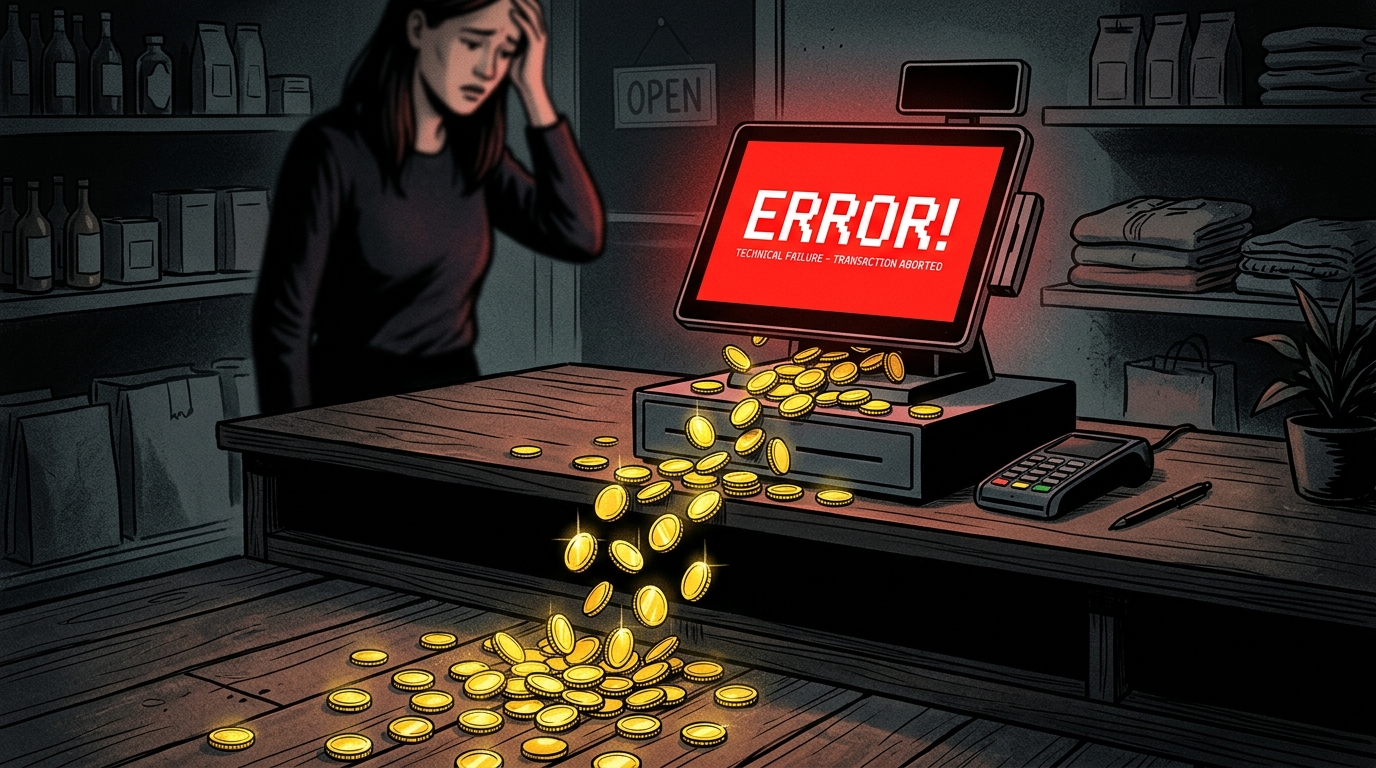
The Problem With Disconnected Systems
Most retailers who struggle with stock accuracy or unreliable reporting are not making operational errors. They are running systems that were never designed to talk to each other.
A POS that records sales without updating inventory means stock counts require manual reconciliation. An inventory system that does not feed into sales reporting means performance data is always incomplete. A reporting tool that pulls from multiple sources means the numbers are only as reliable as the last time someone manually synced them.
The friction this creates is not just an IT problem. It translates directly into overselling, stock surprises at the counter, and business decisions made on data that lags behind reality by hours or days.
How POS and Inventory Connect in Real Time
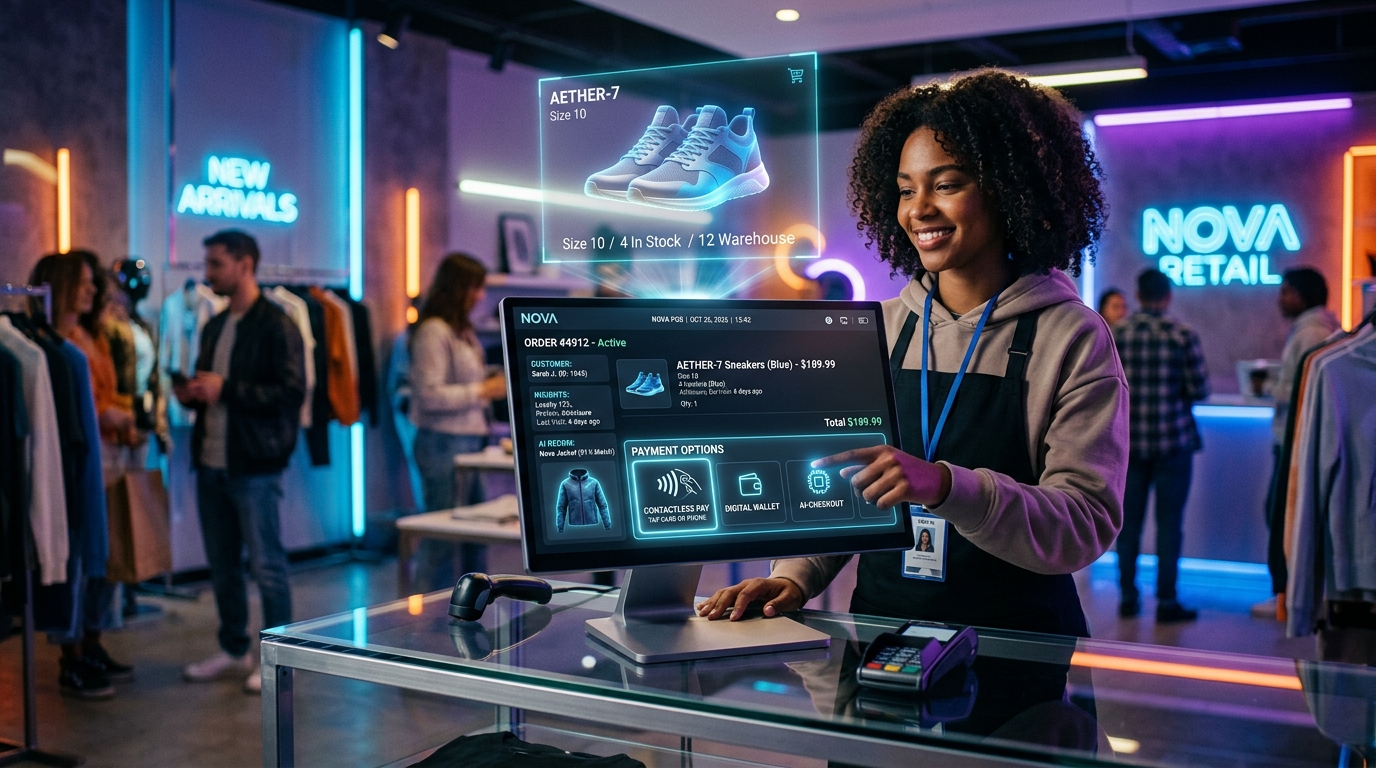
When POS and inventory are built into the same platform, the connection is not a sync — it is a live update.
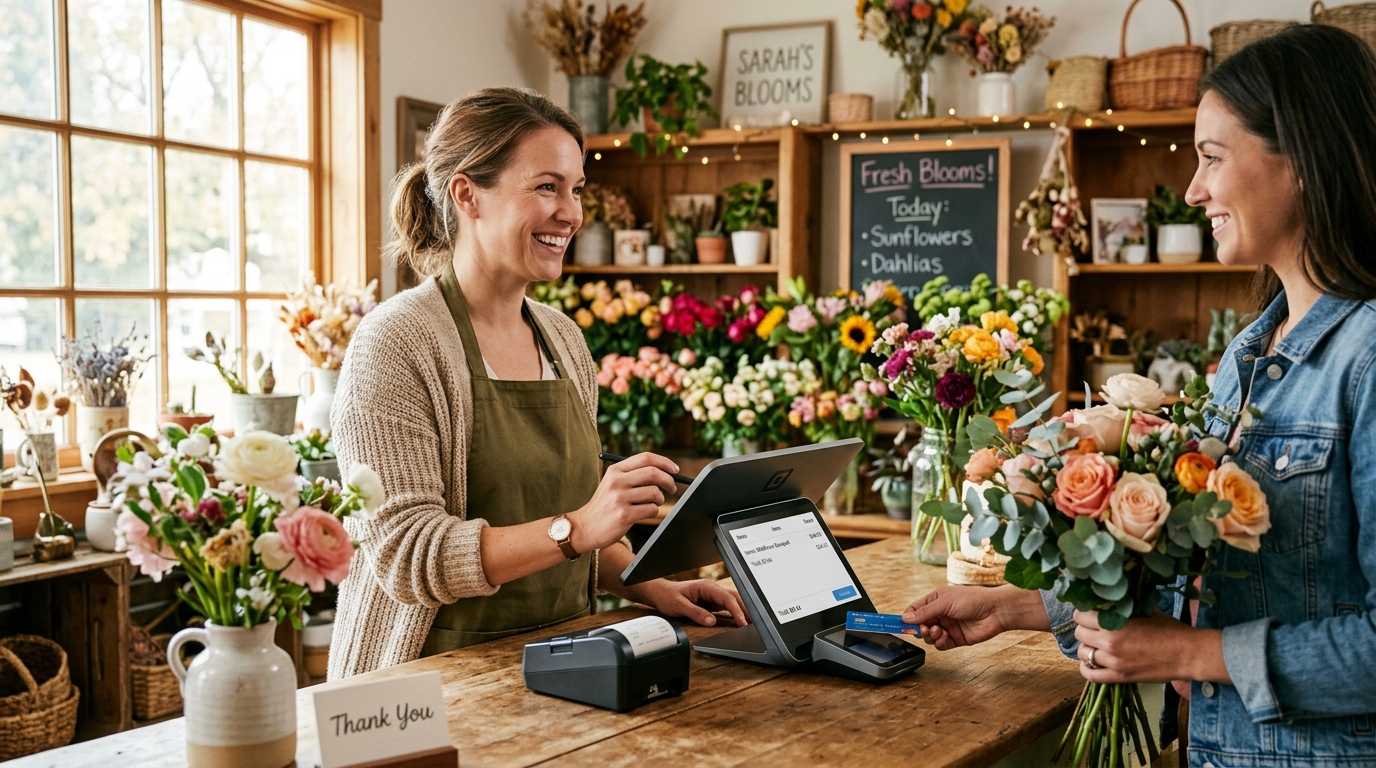
Every completed transaction immediately adjusts stock levels for every item sold. There is no batch process running overnight, no manual import required, and no window of time during which the POS and the stockroom are showing different realities. The moment a sale is processed, the inventory reflects it.
This live connection enables a layer of operational intelligence that disconnected systems cannot provide:
Stock levels visible from the POS screen without switching to a separate inventory tool
Low stock notifications that trigger automatically when products fall below set thresholds
Product categories, brands, and unit types organised within the same system that processes sales
Stock adjustments processed through an approval workflow to prevent unauthorised or accidental changes
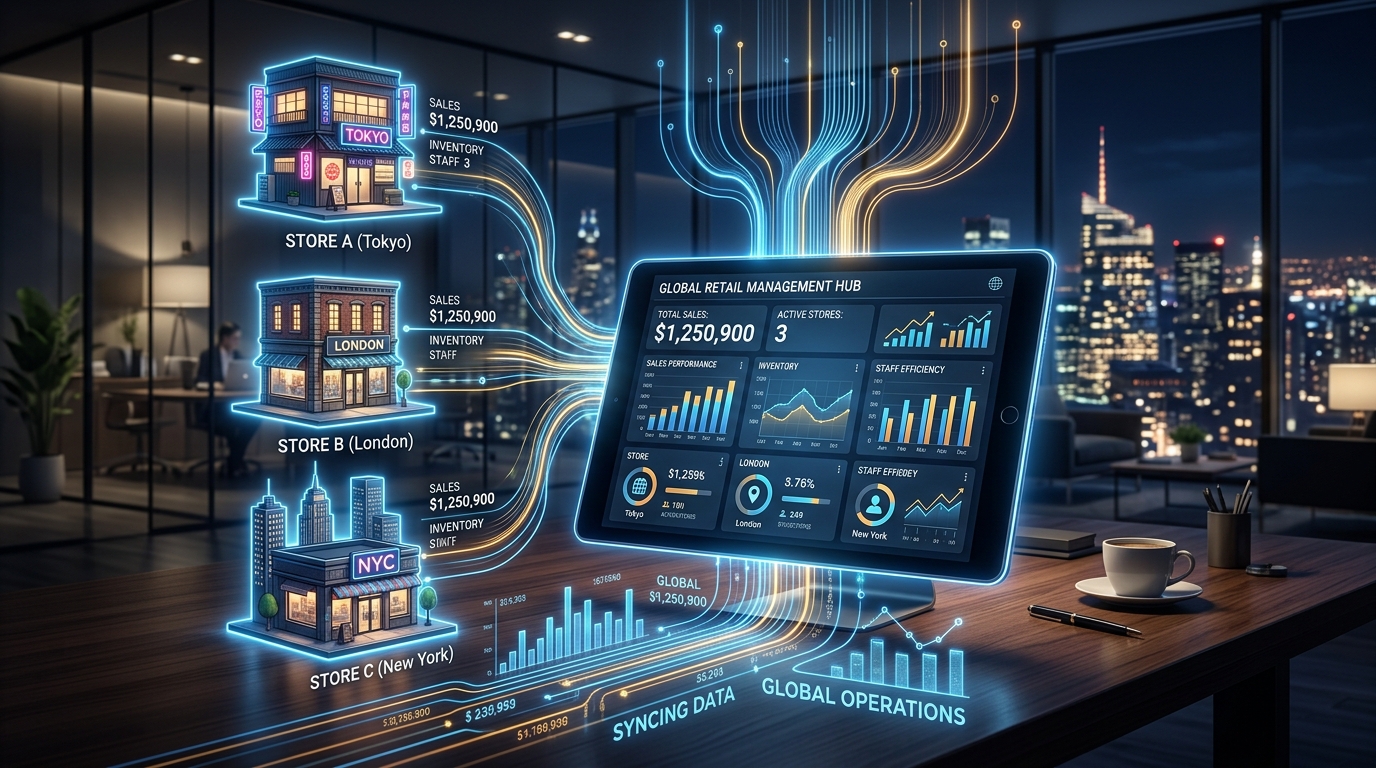
Per-store inventory visibility for retailers operating more than one location, all from a single dashboard
The result is a store where the information at the counter and the information in the stockroom are always the same information.
What Integrated Reporting Actually Looks Like
Reporting that draws from a live, integrated system is structurally different from reporting assembled manually or exported from disconnected tools.
When every sale, every stock movement, and every expense is recorded in the same platform, reports are not something you build — they are something you read. Sales history by period, top-selling products, payment method breakdowns, cart histories, and expense categories are all generated from the same data set, at any time, without preparation.
This is what makes reports genuinely useful rather than a periodic administrative task. A store owner who wants to know which products drove revenue last month, how that compares to the month before, and what it cost to generate that revenue can pull all of that from one place in minutes.
Expense Tracking as Part of the Same Data Layer
Revenue without cost context is an incomplete picture. A POS system that records sales but not expenses forces retailers to reconcile financial performance across two separate tools, introducing the same manual bridging problem that affects disconnected inventory systems.
When expense tracking lives inside the same platform as sales data, profitability becomes visible at the same level of detail as revenue. Expenses organised by customisable categories — whether recurring operational costs or one-time purchases — sit alongside sales records and feed into the same period-based reporting.
The practical outcome is that a retailer can see not just what the store earned in a given period but what it cost to earn it, broken down in a way that actually informs purchasing, staffing, and operational decisions.
Multi-Store Reporting and Stock Visibility
For retailers operating more than one location, integration between POS and inventory becomes more than a convenience — it becomes the mechanism that makes multi-store management viable.
Without integration, each outlet’s data lives in its own environment. Comparing performance across locations means exporting, combining, and interpreting data from separate sources. Stock levels at one branch are invisible from another unless someone manually checks and communicates them.
A unified platform changes the architecture entirely. Sales and inventory data from every outlet feed into a consolidated view. Stock assigned to individual stores remains separately managed, but the oversight sits in one dashboard. Performance comparisons across branches draw from the same data layer, with consistent definitions and the same reporting period logic.
This is the difference between a manager who knows what is happening across the business and one who is always chasing confirmation from individual store staff.
Integration Is Not a Feature, It Is the Foundation
When POS, inventory, and reporting operate as one system, the store runs on a single version of the truth.
Pricing rules apply consistently. Stock updates happen without manual intervention. Reports reflect what actually happened, not what was recorded before the last manual sync. Staff access the same data regardless of which terminal or location they are working from. Decisions about purchasing, staffing, and promotions are grounded in numbers that are current rather than approximate.
The integration is not a premium add-on to a billing tool. It is the structural requirement for a retail operation that wants accurate, timely information as a default rather than as the result of extra effort.
Easy Retail Flow brings POS, real-time inventory, sales reporting, expense tracking, invoicing, multi-store control, and employee management into one platform with a single subscription, no setup fees, and no hidden costs. If you want to see how the integration works across the full feature set, request a free demo and our team will walk you through it.