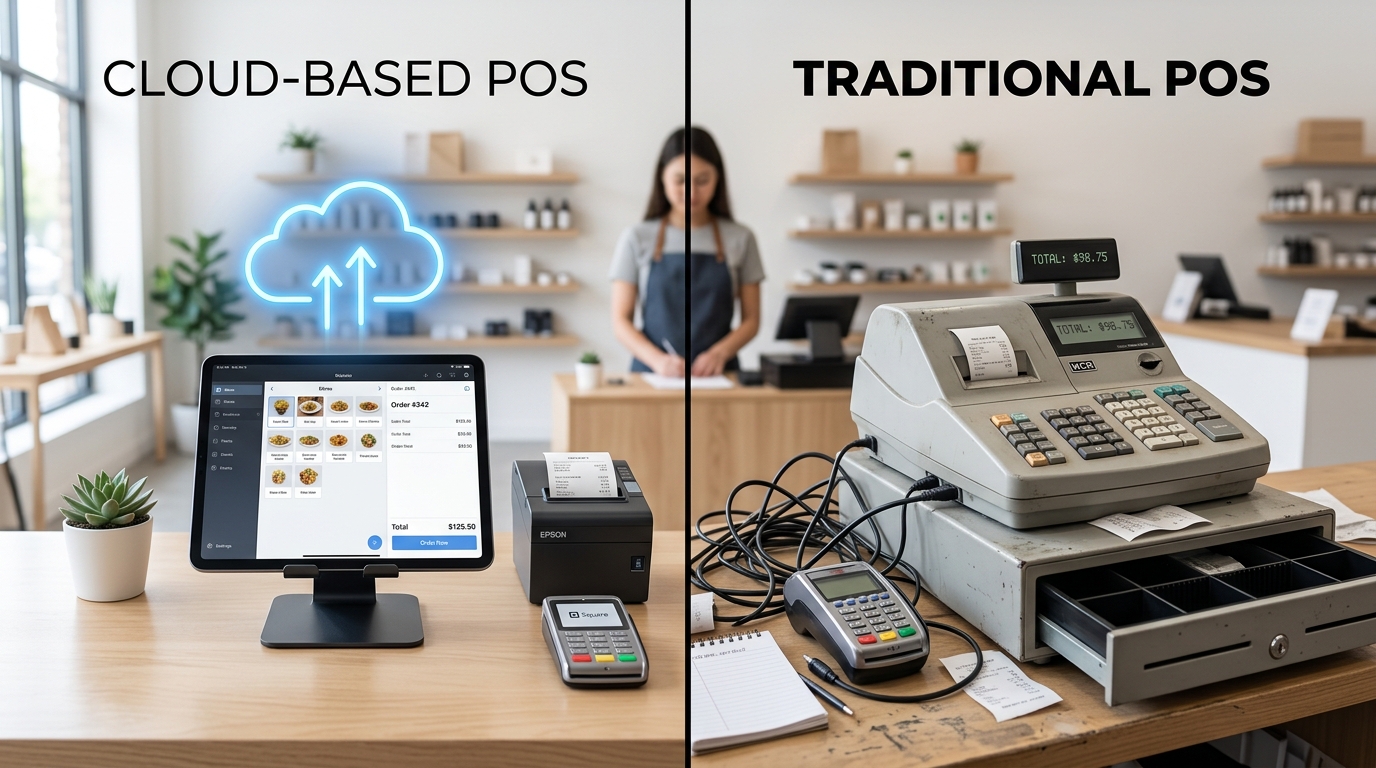
Cloud-Based POS vs Traditional POS: Which Is Right for Your Store?
The point-of-sale system is one of the most consequential technology decisions a retail business makes. It shapes how staff work, how customers experience checkout, how inventory is tracked, and how clearly owners can see their business performing. Choosing between a cloud-based POS and a traditional on-premise setup is not simply a software preference — it determines the operational architecture your store runs on. We designed Easy Retail Flow as a cloud-based retail platform precisely because of where that decision consistently leads for modern retailers, and this breakdown explains the full picture.
What Separates the Two Systems at Their Core
The fundamental difference comes down to where data lives and how the system is accessed.
A traditional POS stores everything locally — on a server or hard drive physically located in the store. The software runs on hardware you own and maintain. Transactions process within that closed environment, and data does not leave the building unless someone manually extracts it.
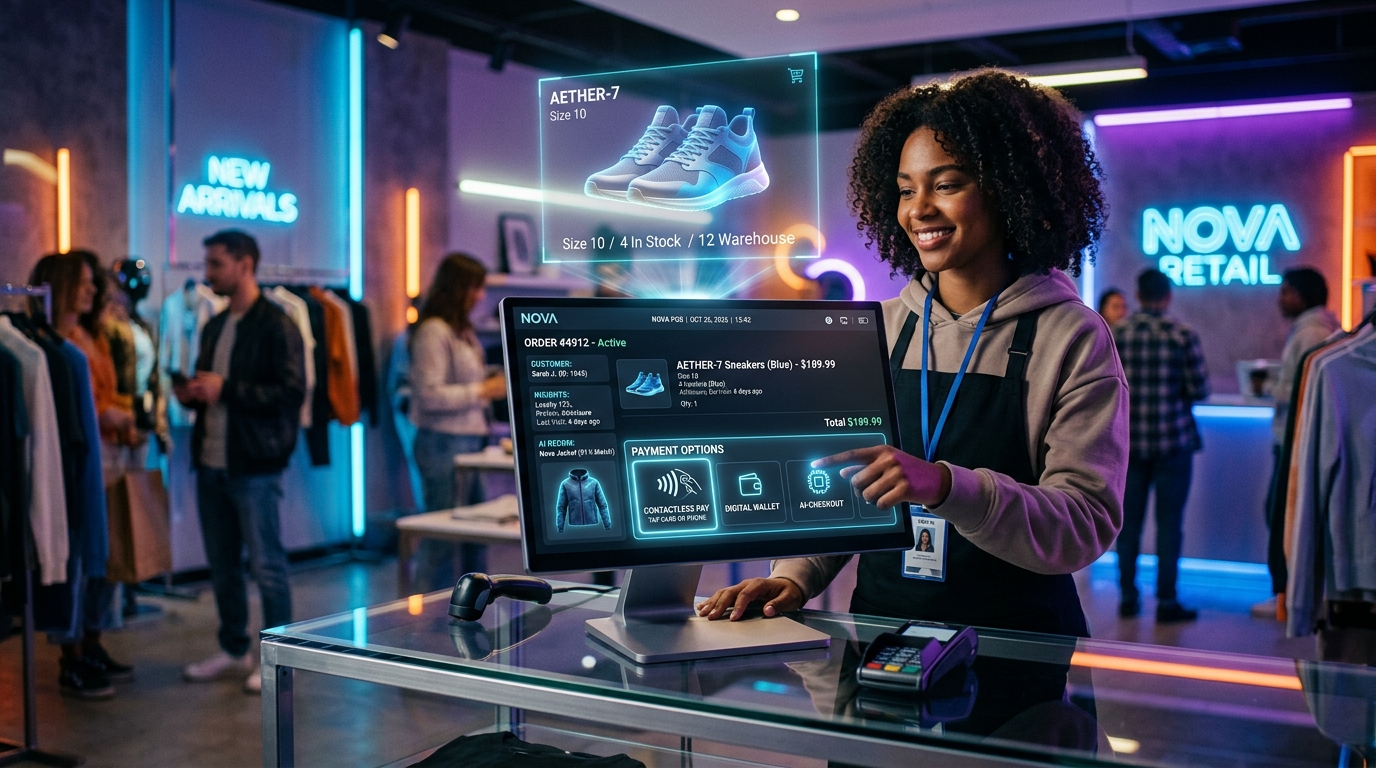
A cloud-based POS processes and stores data on remote servers accessed through the internet. The software runs in a browser or lightweight app, hardware requirements drop significantly, and the same dashboard is accessible from anywhere with a connection.
That structural difference cascades into almost every practical aspect of running a retail store.
Setup, Hardware, and Upfront Costs
Traditional POS systems carry a heavy upfront investment.
Dedicated servers, proprietary terminals, licensed software, and professional installation can cost thousands before the first transaction is processed. Ongoing maintenance, hardware replacement cycles, and IT support add to the total cost of ownership over time.
Cloud-based systems shift the model. Because the software lives off-site, retailers can often run a full POS on devices they already own. There is no server to purchase, no installation team to schedule, and no software license to renew separately. Subscription pricing distributes costs monthly rather than front-loading them, which makes meaningful technology accessible to businesses that are growing rather than already large.
Real-Time Data Access and Remote Visibility
This is one of the clearest functional advantages of cloud architecture, and it matters more as a business grows.
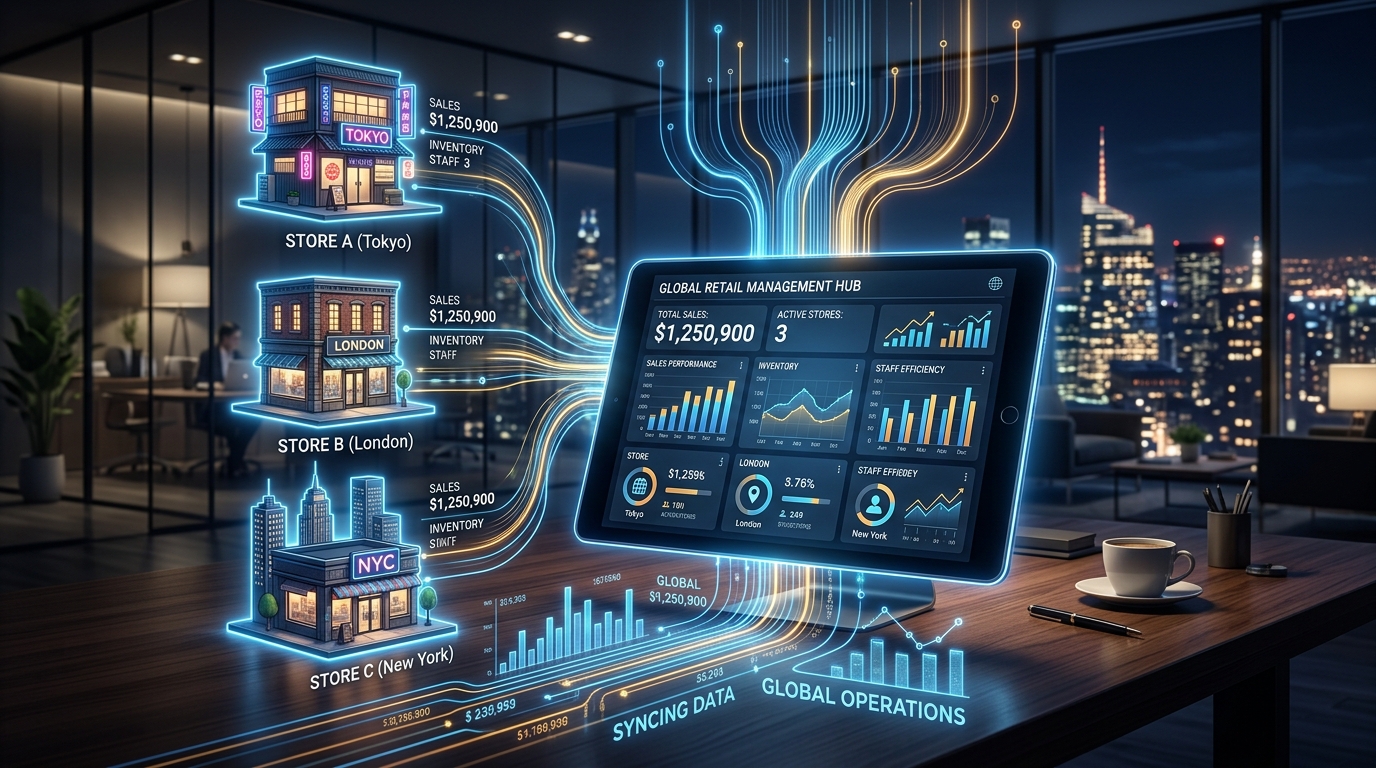
With a traditional system, sales data, inventory levels, and reports live on the store’s local hardware. A manager who is not physically present cannot see what is happening in real time. For multi-location retailers, this means aggregating data from separate systems — a process that introduces delays, inconsistencies, and significant manual effort.
Cloud-based POS systems solve this structurally rather than through workarounds:
Sales, inventory, and performance data update in real time across all locations
Managers can monitor any outlet from a single dashboard, regardless of physical location
Stock levels at each store are visible and independently managed without data conflicts
Reports draw from live data rather than end-of-day exports
For a retailer managing more than one outlet, the difference between fragmented local data and a unified live view is the difference between reacting to problems and staying ahead of them.
Reliability and Offline Risk
The most cited concern about cloud-based POS is internet dependency. If the connection drops, can the store still process sales?
This is a legitimate operational question. Modern cloud systems address it with offline modes that allow basic transaction processing to continue, syncing data back once connectivity is restored. For most retail environments, this is sufficient.
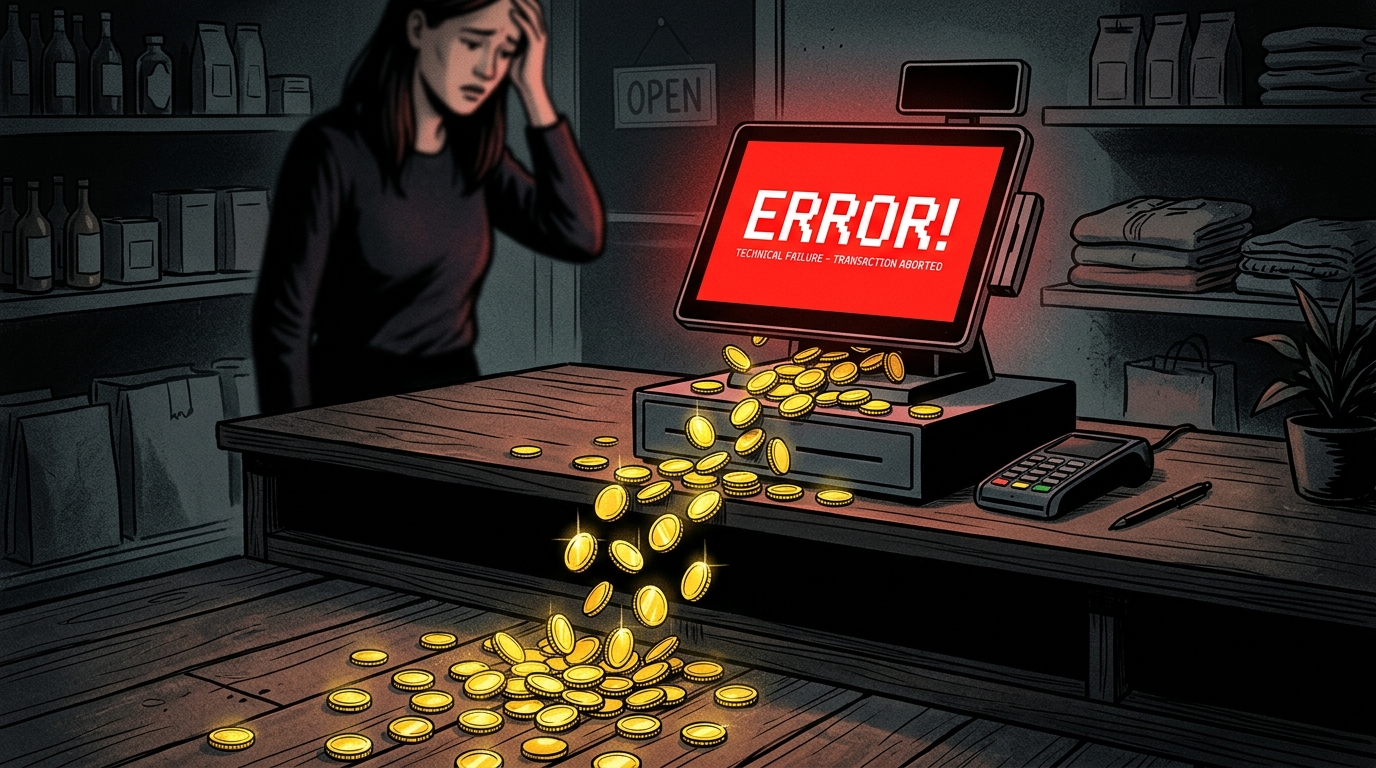
Traditional systems, by contrast, are fully independent of internet connectivity — but they carry their own reliability risks. A server failure, hard drive crash, or power surge can take the entire POS offline with no remote recovery option. Data backups require deliberate manual processes, and recovery typically means on-site technical intervention.
Neither system is failure-proof. The question is which failure mode is more recoverable for your specific operating environment.
Updates, Maintenance, and Long-Term Cost
Traditional POS software ages. Vendors release new versions, security patches need applying, and hardware that ran well three years ago can start limiting what the software is capable of. Every update cycle typically involves IT involvement, potential downtime, and sometimes a hardware refresh.
Cloud-based systems update automatically, on the vendor’s infrastructure, without store downtime. New features roll out to all users on the same plan without additional charges or installation steps. Security patches apply at the server level before they reach the store environment.
This maintenance model is not just a convenience — it significantly changes the total cost and management burden over a three to five year period, particularly for smaller retail businesses that do not have dedicated IT support.
Scalability Across Locations
A single-store retailer evaluating POS systems today may operate two or three locations within a few years. Traditional systems do not scale cleanly — each new location typically requires its own hardware, its own local server, and its own configuration, with limited ability to unify operations without expensive integrations.
Cloud architecture is built for scale from the ground up. Adding a new store means extending the same system rather than replicating a separate one. Inventory can be assigned per outlet, stock transfers are visible across locations, and sales performance for every branch feeds into the same reporting dashboard.
For a retailer with growth plans, the scalability gap between the two models is significant enough to factor into the initial decision, not just revisit when expansion actually happens.
The Verdict Is in the Direction Retail Is Moving
Traditional POS systems served retail well for decades. For businesses with no internet reliability, highly specialized legacy hardware requirements, or large existing on-premise infrastructure investments, they may still make operational sense.
For the majority of modern retailers — whether a single shop, a growing chain, or a repair and technology outlet — cloud-based POS is the more practical, more scalable, and more cost-effective foundation. It removes infrastructure overhead, surfaces real-time data, and adapts as the business changes rather than requiring a rip-and-replace cycle every few years.
We built Easy Retail Flow on a cloud platform that brings POS, inventory, multi-store management, sales reporting, invoicing, and expense tracking into a single system without setup complexity or hidden costs. If you want to see how it fits your store, request a free demo and our team will walk you through it.